|
Africa 2025 Journal Pages:
1
2
3
4
5
6
7
8
9
10
11
12
13
14
15
16
June 24
It was quiet during the night, but in the early morning we heard a lion roaring somewhere out in the darkness. We were on the road before seven; it was another cool morning with a clear blue sky and bright sunshine. The day already felt full of promise.
As we left camp and turned onto the road, a herd of impala were grazing with a lone giraffe. The male impalas always seem to wear a slightly petulant expression - perhaps from carrying around those big horns - while the females are very refined and appear sweet. We stopped to admire their exquisite faces.
A lilac-breasted roller perched on a twig with his feathers all puffed up against the cold - not much chance of an
in-flight photo-op until things warmed up. Nearby, a magpie shrike sat in a bush, an attractive
black-and-white bird with an impressively long tail.
Gee was reading tracks in the fine sand of the road; he was hoping to find the lions we’d heard in the wee hours. He followed the spoor through the savannah and then back down toward the river. Watching Gee read the sand is like watching someone read a book you didn’t even know was written.
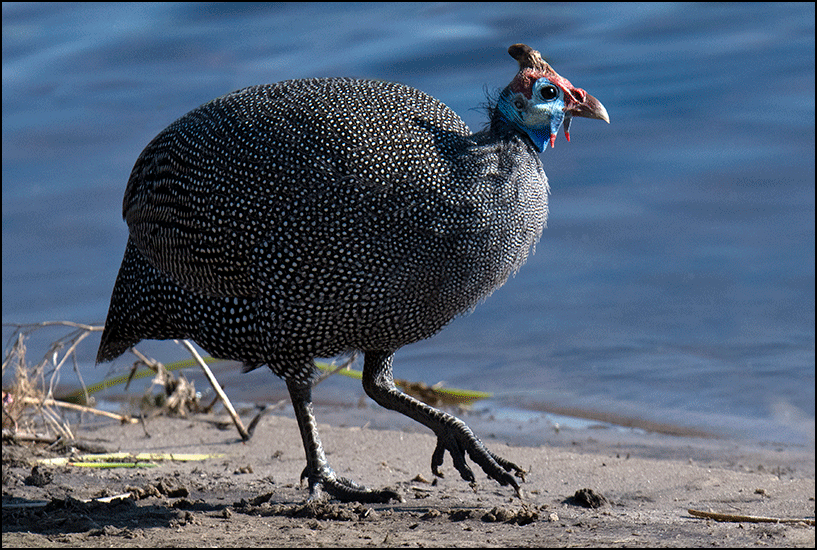
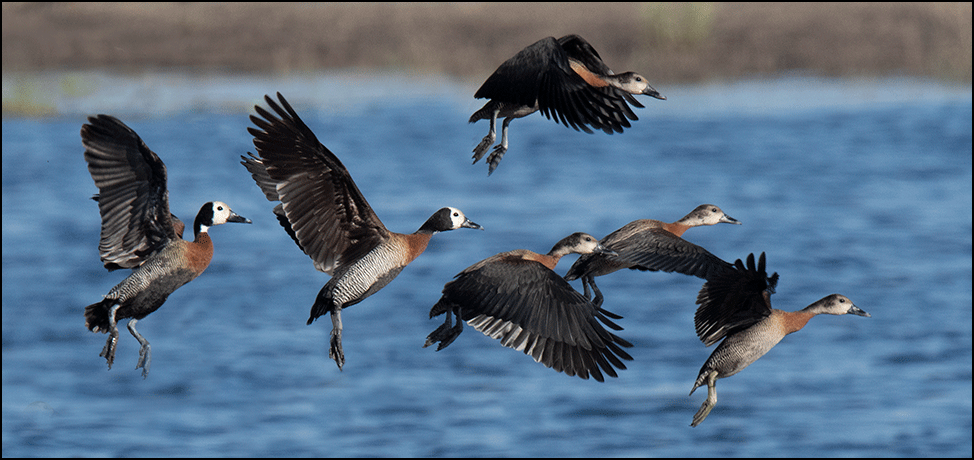
Along the river there were birds everywhere. Guineafowl strutted along the water’s edge, their blue and red heads and speckled bodies standing out against the deep blue of the river. A large flock of
white-faced whistling ducks flew in and landed right in front of us.
A black-winged stilt and a Squacco heron waded in the shallows. A pygmy goose hid in the reeds, and a
grey-headed gull skimmed past. We saw a few lone crocs on the shore, and a troop of baboons moved by in the distance. The resident fish eagle perched high in his tree, keeping watch over his territory.
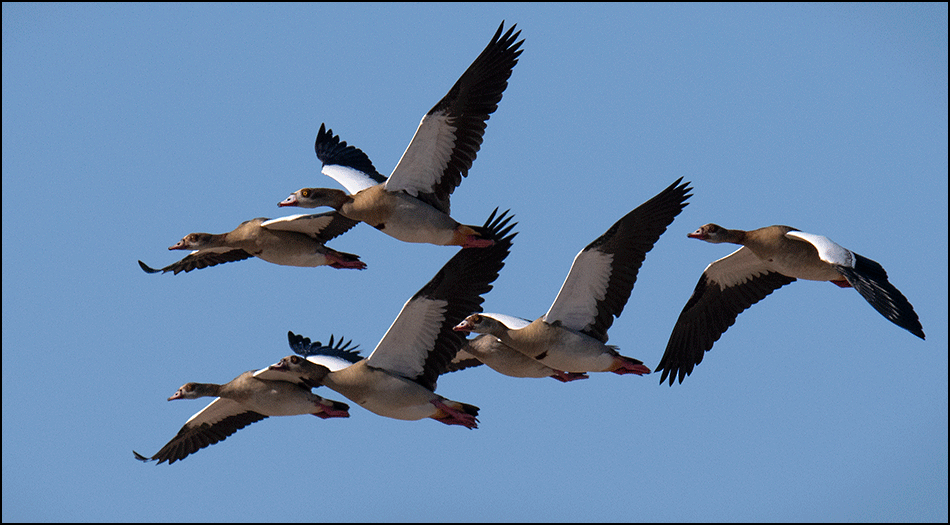
To my delight, a flock of Egyptian geese came flying toward us, their
black-and-white wings and chestnut bodies glistening in the sun. It was a great chance to practice birds‑in‑flight photography with my new lens — I wasn’t very quick yet at catching flying birds while hand‑holding that big 600mm, but I was getting better.
We stopped for our tea break under a baobab tree by a wide bend in the river. A cape glossy starling hopped around hoping for handouts, his dark blue feathers shimmering brilliantly in the sunlight. The jagged shoreline in front of us curved around the dark blue water to form a beautiful cove. There were a few large trees along the river, and a pair of fish eagles sat in the top of one. The air smelled faintly of warm dust and river reeds. I took some panoramic photos, trying to capture the sweep of the scene.
We continued along the river. Ihaha is a little different from the other areas we’ve visited; most places you crisscross the landscape, exploring open plains and woodlands in every direction. But here the river is the heart of everything, and the rhythm of the day seems to follow the shoreline. The animals move in and out based on the water, so our drives tended to follow the curves of the riverbank, checking each inlet to see who might be coming down to drink.
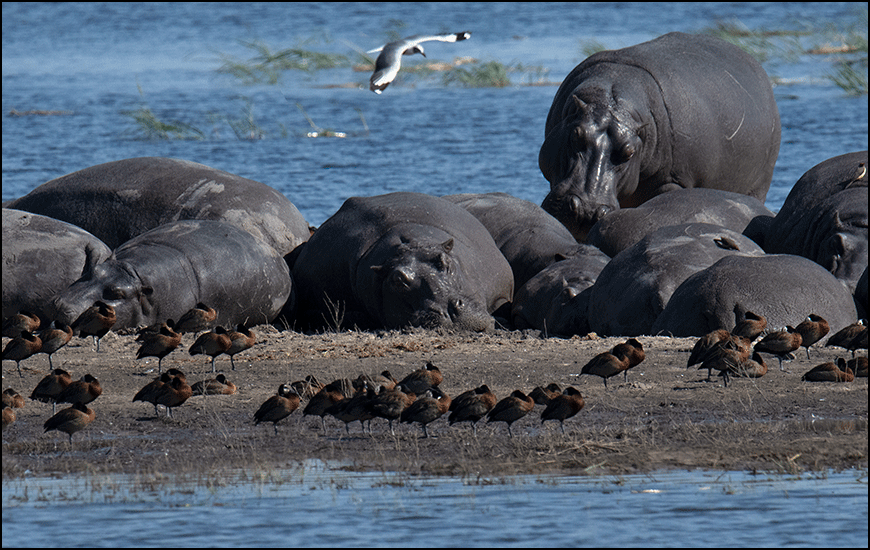
A group of hippos were gathered on a small island out in the river. Some lounged in the water and a few stood on the bank, but most were fast asleep in the sun, their pink undersides showing. A flock of
white-faced ducks milled around them, and a grey heron stood tall nearby, keeping a dignified watch over the scene.
An African darter stood by the water with his wings spread wide to dry, and right beside him lay a massive crocodile. It always surprises me to see ducks, geese, and other large birds sunning themselves just feet from the jaws of a big croc - I often wonder why they don’t get eaten, but they seem completely unafraid.
We paused beneath a big tree to watch a pair of fish eagles above us - the same ones we’d seen from a distance earlier. The male suddenly threw his head back and released those piercing cries again while we tried to capture them on our phones.
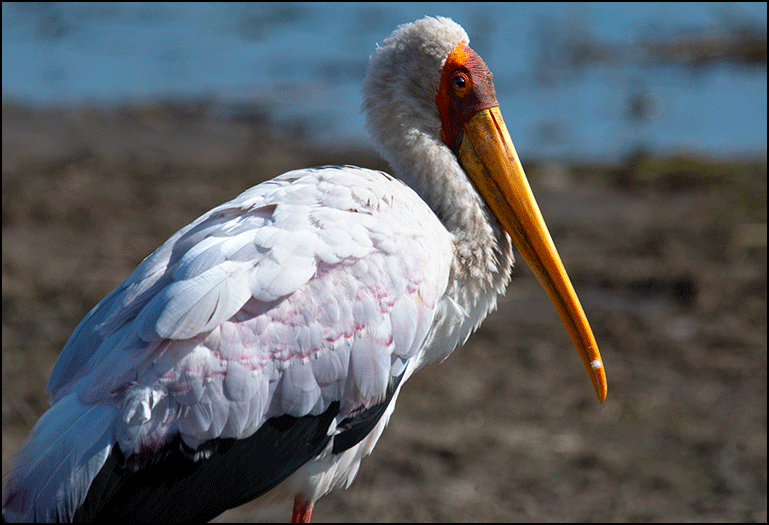
A yellow-billed stork wandered along the shore, letting us get surprisingly close. His
pinkish-white plumage glowed in the sunlight, and his long yellow bill - the source of his name - stood out brilliantly. He looked back at us with a calm, almost thoughtful expression.
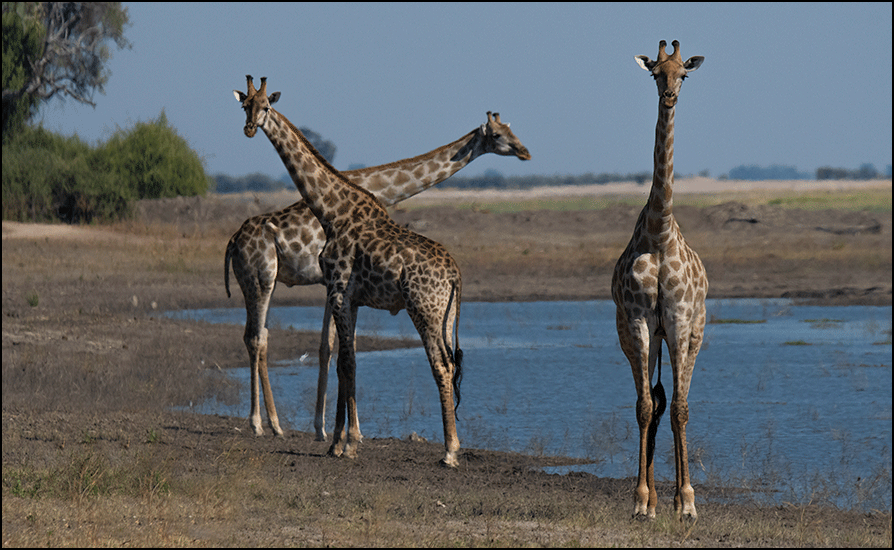
Then the morning shifted into something almost dreamlike, as it became all about giraffes. Four beautiful giraffes had come down to the river to drink; two large adults and two younger ones, not quite fully grown. A small herd of impala grazed alongside them, and a few young males were head‑butting vigorously in mock combat. More giraffes were moving our way, and far out on the peninsula we could see still others, silhouetted against the water like deliberate giraffe art. All told, there were close to twenty.
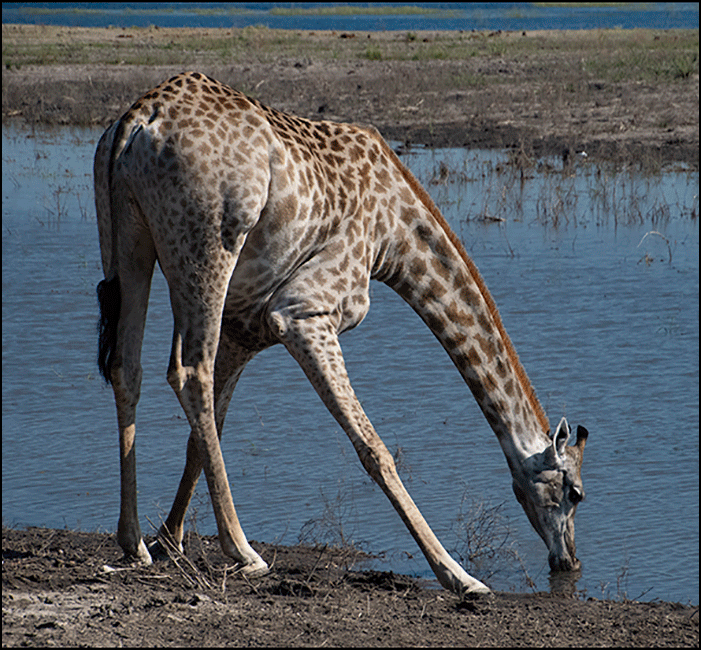
The giraffes moved elegantly back and forth along the river’s edge, all gracefully arched necks and long, slow strides. After a few minutes they paused, standing alert and scanning the area for predators. Once they were satisfied it was safe, they took turns having a drink.
A giraffe drinking is always a bit of a production, and a wonderfully awkward, unforgettable sight. He spreads his front legs wide to ease himself closer to the ground, then lowers his long neck inch by inch until he finally reaches the water. Every few seconds he jerks his head up in alarm to check for danger - water flying from his muzzle - then repeats the whole routine. It’s amazing how an animal that looks so majestic standing up can look so completely uncoordinated just trying to get a drink. When he’s finished, he brings his legs back together in a quick, practiced move and stands tall again - instantly transformed from clumsy back to regal.
We watched the giraffes for a long time. Some were lighter in color and some very dark, but all were beautiful. We watched them bending to drink, intertwining necks, and walking sedately along the water’s edge, glowing in the morning light. They were grace itself.
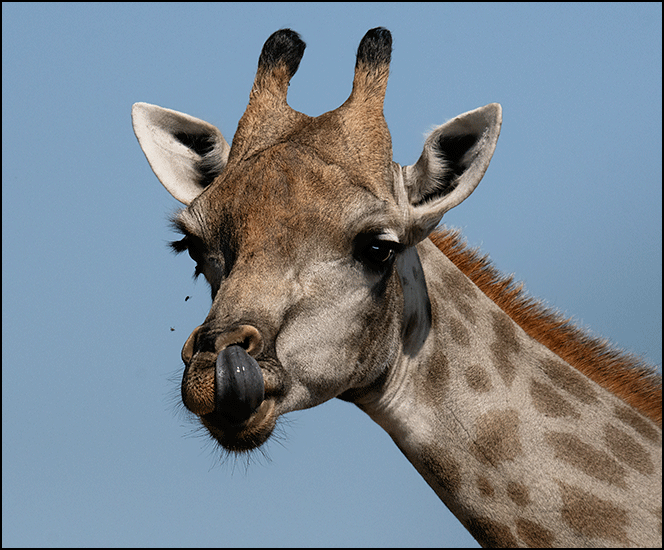
Gee was able to get us even closer, where we could see the fine details: two adults crisscrossing their necks in easy companionship; the sparse whiskers on their velvety lips with water droplets clinging after a drink; the fuzzy tufts of hair on the knobby horns of a female, and the male’s knobs worn bald from fighting; the long, thick, luxurious eyelashes that any model would envy.
And don’t forget that long, dark purplish‑black tongue, which can extend far out of the giraffe’s mouth to curl around a branch and neatly pluck off the leaves while carefully avoiding the thorns. We watched this dexterous appendage at work, twisting and grasping with surprising precision.
Fun fact: a giraffe can pick his nose with his tongue!
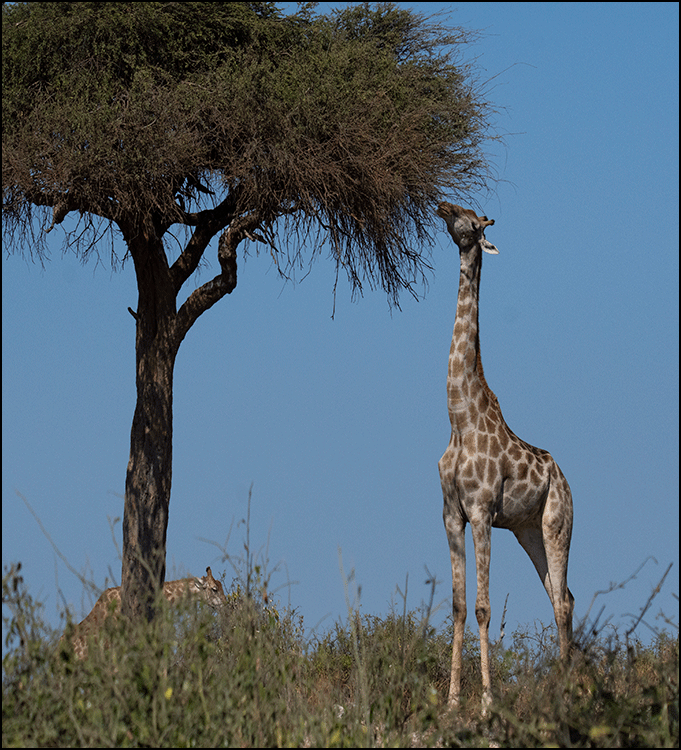
We started up the hill toward the forest. On the ridge ahead, a giraffe was stretching up tall to reach the branches of an acacia tree, extending his long neck to the maximum. He was soon joined by another young adult male, and the two of them began ‘necking,’ giving us an impressive display of this mock fight, their long necks swinging in wide arcs and landing solid thumping blows. It was awesome to watch, but I was glad they were just practice fighting - I’m not sure I’d want to see the real thing.
So many giraffes. We took a few more eyelash photos of those close to the road, then headed back to camp, still talking about the morning’s sightings.
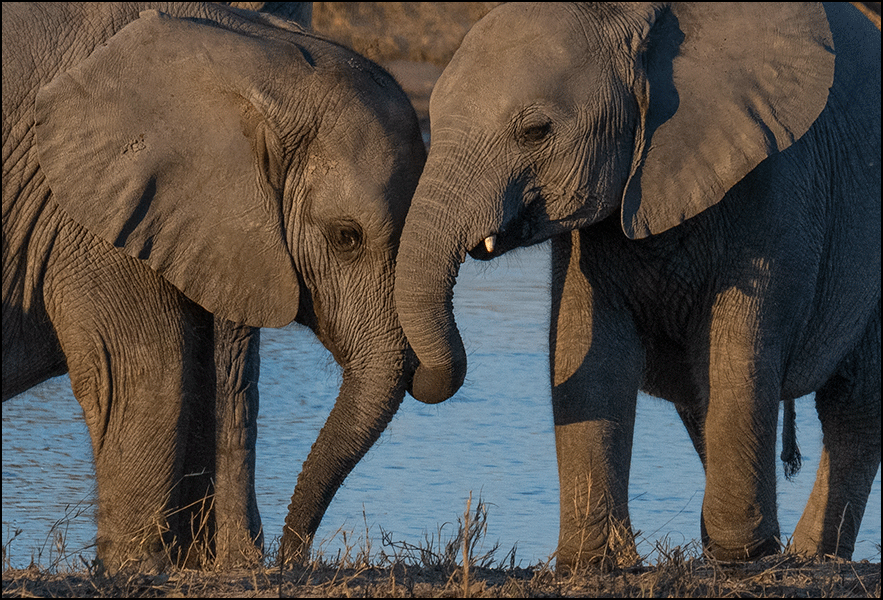
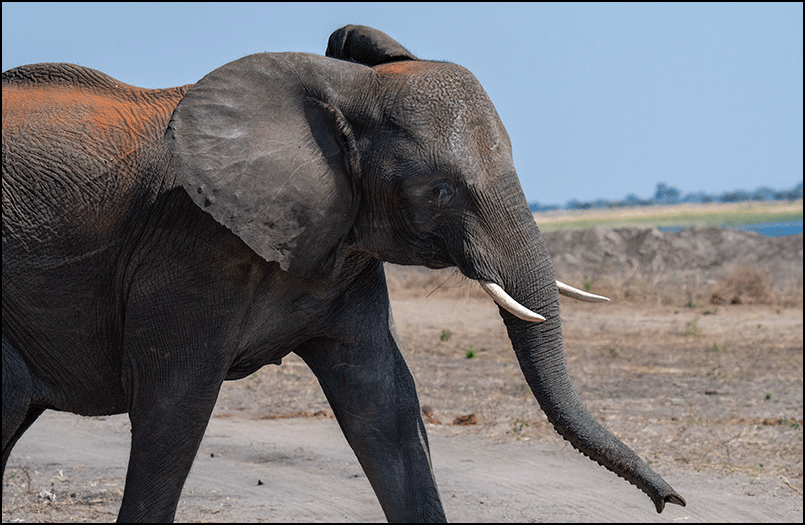
Several elephants crossed the track in front of us, heading toward the river to drink. Their backs were covered in a red, powdery dirt; they must have just finished a dust bath.
We were back in camp at 11:45; lunch was early today. We were again met by More and Chenaman with the goblets of fruit tea and moist clothes - a daily ritual we found very civilized.
We had extra time in camp this afternoon so that after lunch and showers we could get our belongings organized, as tomorrow would be moving day. Jineen packed up her table‑centerpiece materials, and Lindey murdered a beetle. A monkey visited the camp kitchen and stole a bread roll.
A line of elephants filed past the camp, so silent we barely noticed them. A procession of ancient souls treading the path they walked - through the bush and, it seemed, through life - with gentle, deliberate feet.
We went out again for our game drive at three. A giraffe was standing close to the road, so near we could admire the intricate patterns on his flanks in perfect detail. Another moved serenely past the spreading silver trunk of a dead acacia tree, the two of them creating a scene that was unexpectedly lovely in the afternoon light.
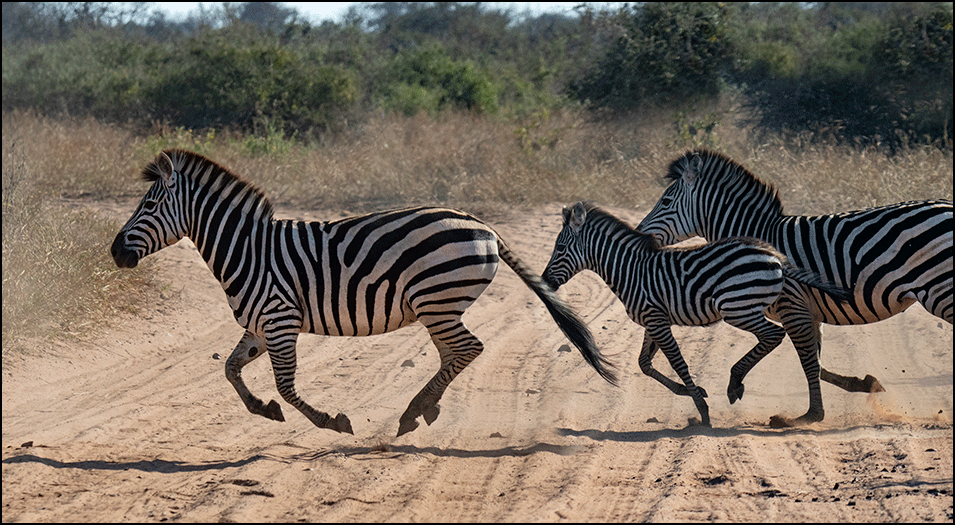
Suddenly we heard the sound of hoofbeats, and Gee paused the Land Cruiser. Half a dozen zebras burst across the road in front of us, clouds of dust rising as they thundered by. A couple of giraffes followed them, moving slowly, and then more zebras appeared. They dashed across in a neat line, quick and sure‑footed, while I fumbled to get my camera focused in time. Then they leaped up the small bank on the far side and disappeared into the brush. It was wonderful to see them in full motion, all energy and elegance at once.
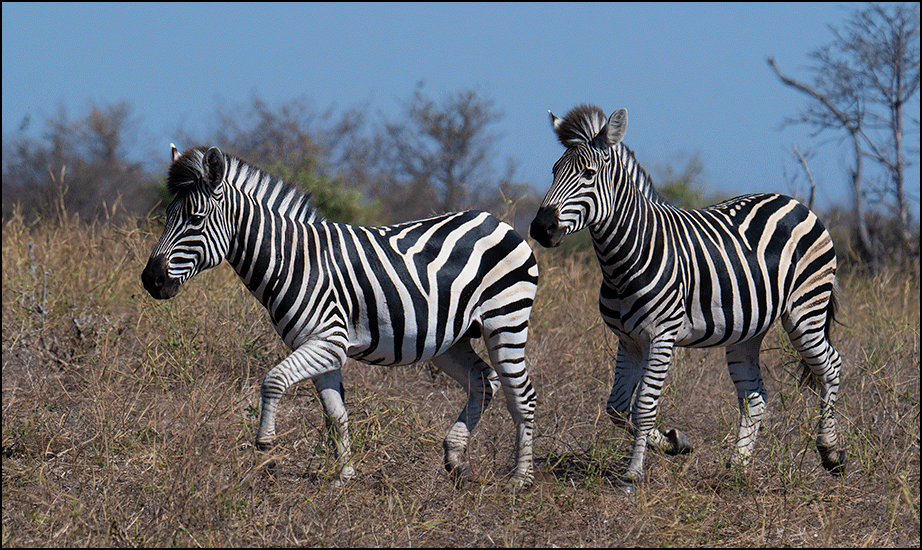
Once the dust settled and the bush grew quiet again, the rhythm of the afternoon returned. Now we could see the rest of the herd, grazing among the bushes. They watched us with alert eyes and their big, round ears that seem to swivel independently. There was a foal with them, just several months old. We enjoyed some nice intimate zebra moments; I can’t get enough of these roly-poly striped cousins of the horse.
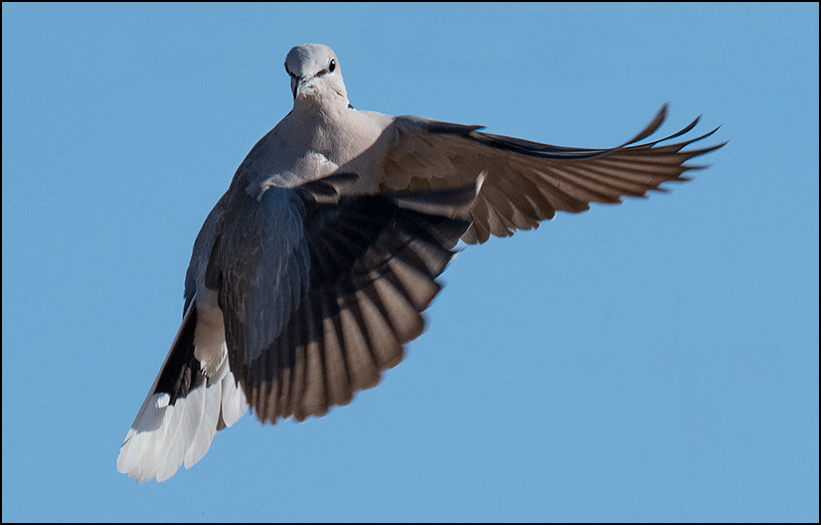
One of my favorite sounds in the bush is the call of the cape turtle dove. Their song is a familiar, almost constant background presence, that steady three‑note crooning that seems to float through every corner of the landscape. The rhythmic chant is said to sound like “work
HAR-der, work HAR-der” - at least in the morning, as the locals will tell you. In the afternoon, they say, it turns into “drink
LA-ger, drink LA-ger.”
But to me, I’ve always heard it as “Bots-WAN’a,
Bots-WAN’a.” And depending on what we’re doing, the chant seems to shift again. When we’re searching for predators, it sounds to me like
“Look-FARTH-er, Look-FARTH-er.” The warm air carried their call across the open plain like a familiar refrain. We hear these doves far more often than we see them, so I was happy to get a good
photo-op as one perched in a bush by the road, before taking wing in a flutter of soft grey feathers.
We passed a number of lilac-breasted rollers as well, their colors resplendent in the sunlight. We took plenty of photos of them perched on twigs, showing off those impressive blues and purples, but focused in-flight shots were more challenging. We would raise our telephoto lenses and focus on the bird, and then wait for him to fly. And wait. And wait some more. Finally, when our shoulders were cramping and our muscles screaming, he would suddenly burst into flight with a flash of vibrant blue feathers, way too quick to keep the camera on him. Having missed the shot, you would then focus on him again as he returned to his perch – and wait. And wait . . . In-focus shots of LBRs proved elusive. It often felt as if the rollers were timing their takeoffs specifically to mock us.
A fork-tailed drongo sat nearby on a branch, a small, glossy black bird with its trademark forked tail.
As we drove along, we all kept our eyes peeled for animals - the more eyes looking, the more we might find. Every so often someone would spot an elusive antelope or a hidden predator and call out for Gee to stop. Occasionally this led to a great sighting, but more often the ‘animal’ turned out to actually be a rock or a tree trunk in disguise. This inspired Amanda to add to our growing bad limerick collection:
When we are riding with Gee
We’re often moved to say wheee!
But don’t be a chump
And yell STOP for a stump
Or your friends will mock you with glee
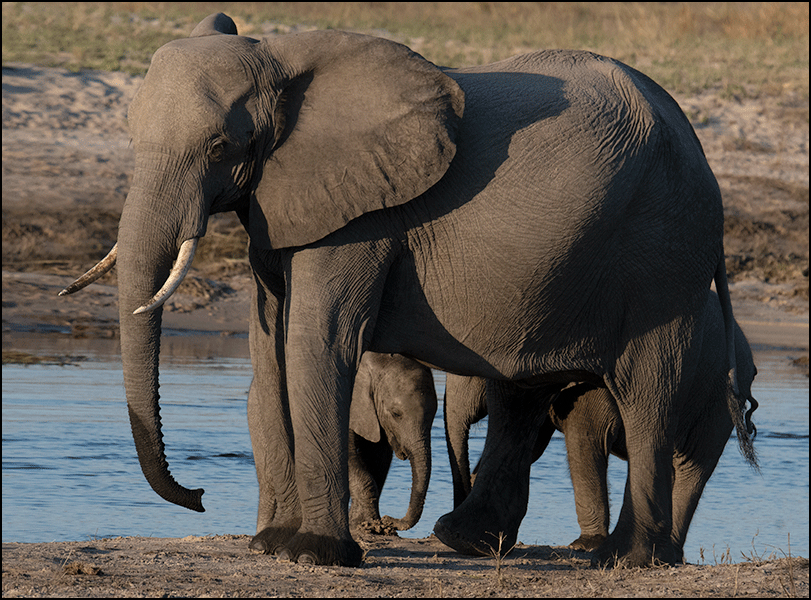
A small breeding herd of elephants walked alongside the road. They paused while the youngest baby tucked himself beneath his mother to nurse from her udder, which sits between her front legs like breasts rather than between the hind legs as in most large grazing mammals.
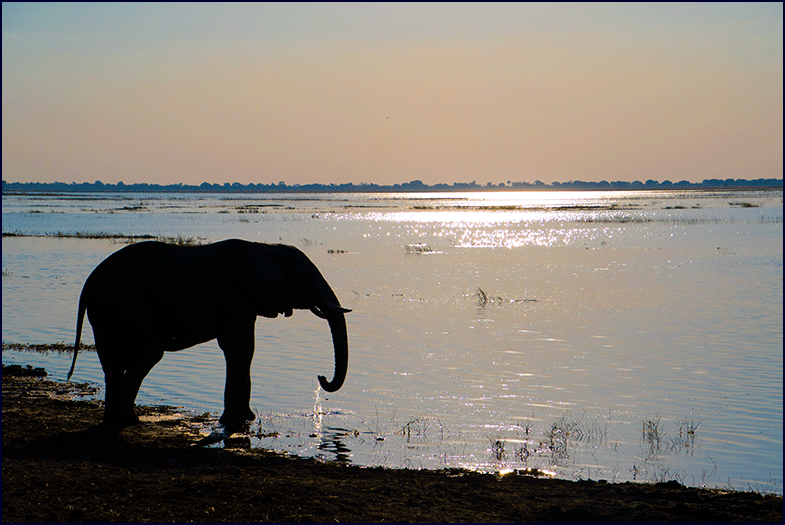
We got down to the river just as more elephants arrived for their
late-afternoon drink. The lowering sun was turning the sky to pastel, and several elephants stood as dark silhouettes against the shimmering water, silver droplets falling from their raised trunks as they drank. It was magical.
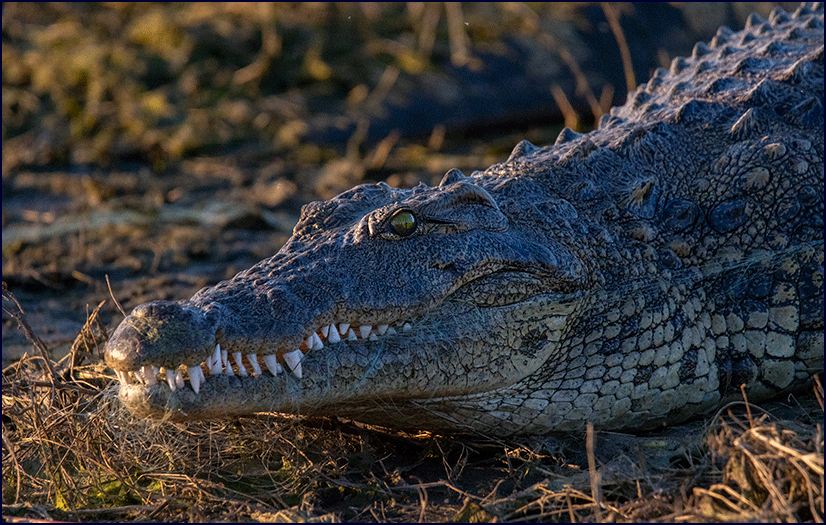
The fish eagles were there keeping watch, regal as ever, and a blacksmith lapwing waded delicately at the water’s edge. A crocodile lay waiting on the shore, teeth curved in a serpentine smile, his surprisingly appealing green eyes
half-lidded in the fading light.
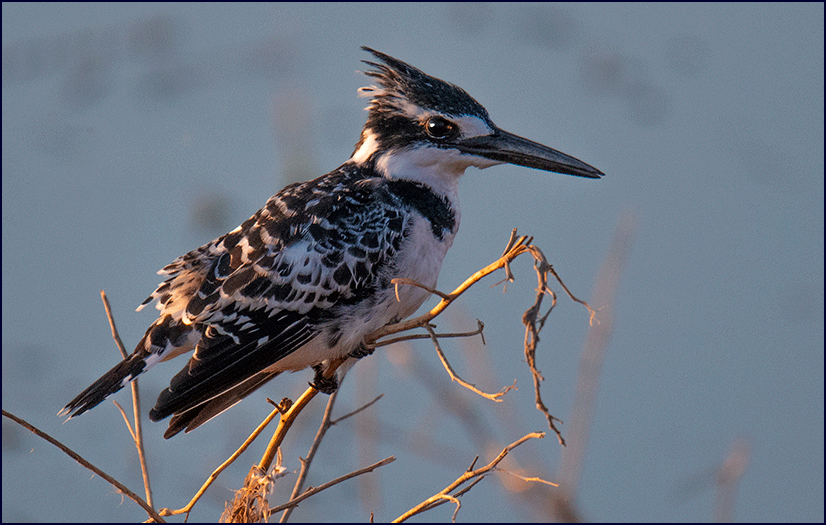
Then a flicker of movement caught Gee’s eye - he had spotted a pied kingfisher hovering over the river, its wings a rapid blur as it held itself suspended in midair like an oversized hummingbird. It hung there for several long moments, perfectly steady, before folding its wings and dropping straight down in a lightning‑fast vertical dive - a moment later it shot back up with a small fish glinting in its
beak.
A few minutes later, our kingfisher landed on a stalk of marshy grass at the edge of the river, and was soon joined by another. After watching them hover and dive with such precision, it felt like a gift to see them sitting still for once. With the long lens I could finally photograph them in crisp detail - the bold
black-and-white markings, the sharp crests, the gleam in their eyes.
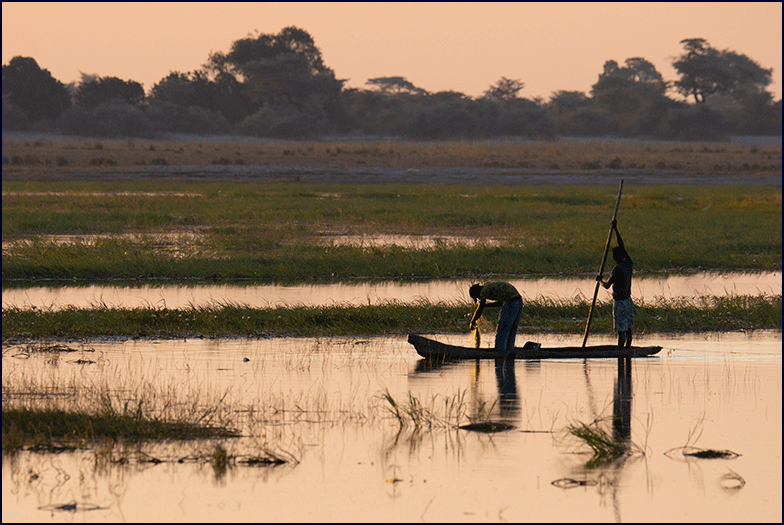
The sun was getting low, and both the sky and the water were turning a rosy pink. Somewhere nearby we heard the
high-pitched cry of a fish eagle. Our two fisherman in the mokoro were back, poling themselves along the river, and we caught the brief gleam as they pulled in a silver fish.
As we headed back up the ridge, we paused to look over the river one last time. The sky was shifting from deep blue overhead to gold and pink near the horizon, and finally to a fiery red where the setting sun slipped into the water. It was one of those views you try to memorize, knowing a camera could never quite hold it. A giant eagle owl - perhaps the same one we’d seen the night before - perched in a tree near camp, almost invisible in the fading light.
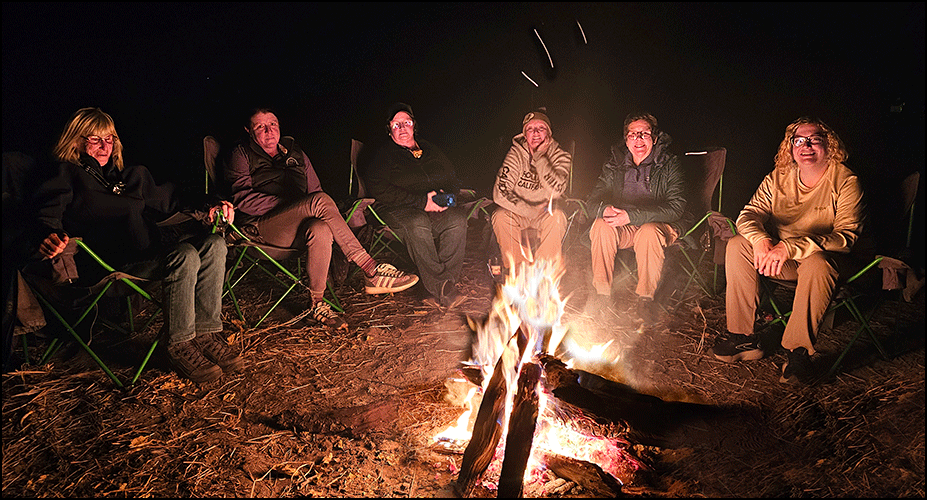
Back at camp, we settled into our usual rhythm: a double G&T or wine by the fire, with the flames crackling softly as the last light faded from the sky and the stars gathered above us. Our group shared a sense of quiet contentment as we all relaxed and unwound, swapping stories, comparing notes on the day, watching the sparks drift upward.
Eventually Mosa appeared, as he always did, to shyly announce dinner. He told us we would be having MFC – also known as Makomkom Fried Chicken. “Yep, yep, yep,” he murmured as he finished, almost under his breath - which never failed to make us smile. We were eating under the open sky, as tomorrow was moving day, and the guys had already packed up everything not absolutely needed, such as the dining tent and our showers. The dinner itself was another triumph - crispy and delicious.
After dinner we lingered at the table, enjoying the easy companionship of the evening. We heard a soft whistling call; Gee identified it as the call of an African barred owlet. We searched with flashlights, and found the little owl perched in a tree above our dinner table, his wide, round eyes following us with mild curiosity.
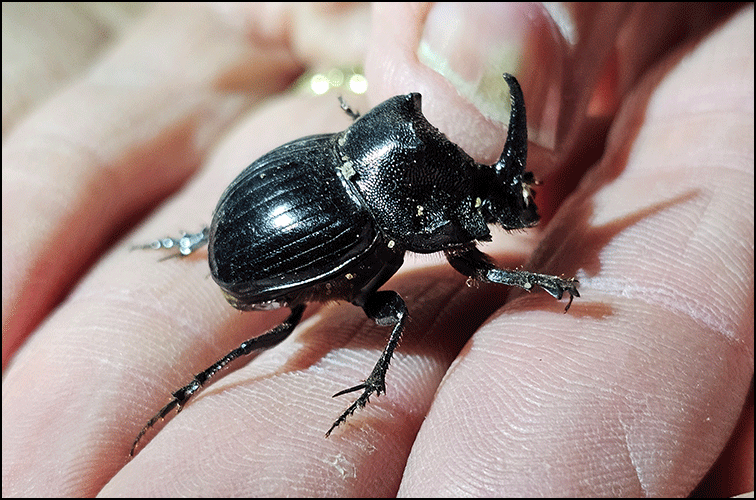
The discoveries continued when Amber found a rhino beetle near her tent; I had never seen one before. Its single curved horn made it look like a miniature rhinoceros. The rhino beetle is considered one of the ‘Little Five,’ along with the elephant shrew, the buffalo weaver, the leopard tortoise and the antlion – all small creatures borrowing their names from one of the Big Five.
Gee told us that a honey badger had wandered behind the kitchen tent. We all wished we had seen it, but just knowing it had been there added a little excitement to the night.
We heard lions in the night, and the soft whoop- whoop call of a hyena passing by. It felt like the bush was reminding us that even as we slept, its stories continued, ancient and wild.
~
Continued
on next page ~
Africa 2025 Journal Pages:
1
2
3
4
5
6
7
8
9
10
11
12
13
14
15
16
|