|
Africa 2025 Journal Pages:
1
2
3
4
5
6
7
8
9
10
11
12
13
14
15
16
June 27
We were out early again, and watched the sun come up as we left camp. The sky was layered in soft colors, the Savuti Skies haze standing out in the early light. It was much colder this morning. I found myself wondering whether Savuti is generally colder than the Chobe riverfront, or if it was simply a chilly week.
Gee said, “Let’s get to the giraffe carcass before the rangers get up,” so off we went. He wanted us there before other vehicles arrived. Technically the site was not on the road, but so many Land Cruisers had driven in over the past two days that it was rapidly becoming a road of its own.
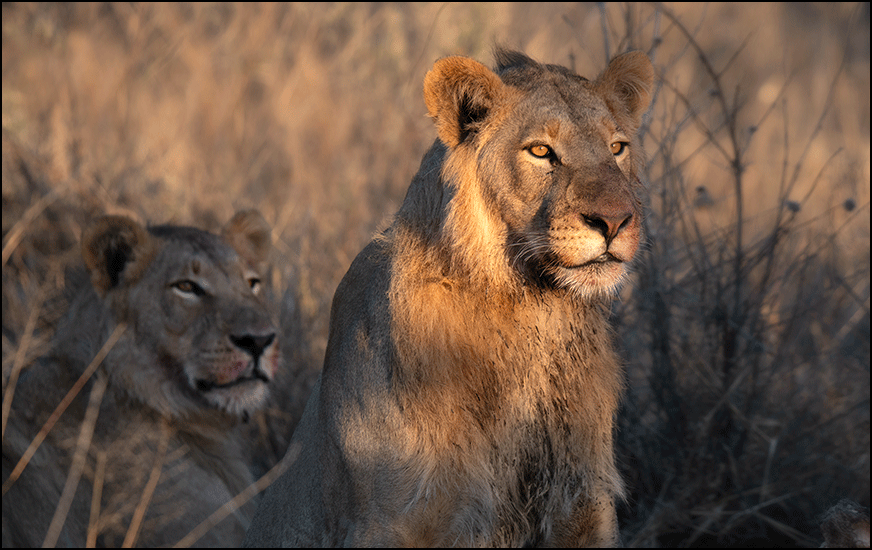
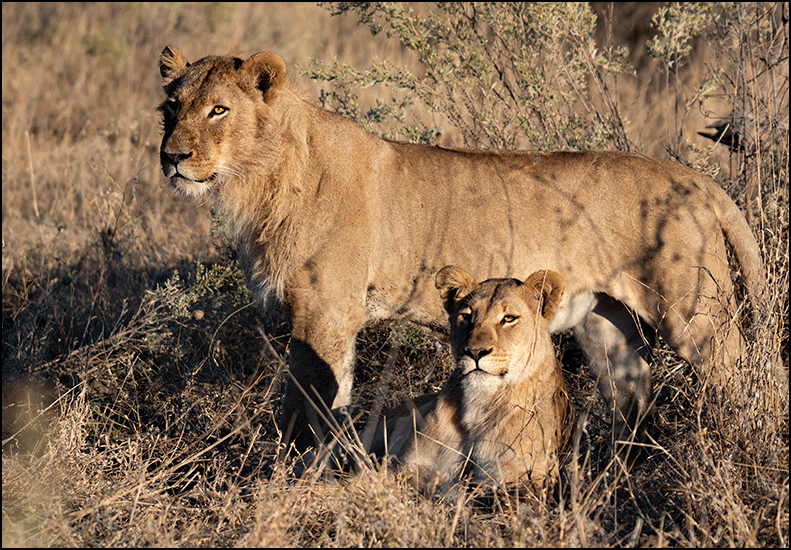
As expected, the lions were still at the carcass - the same two young males and their mother. The huge giraffe ribcage was already hollow. The hyenas were there too, half a dozen of them, just as Gee had predicted. The two adolescent boys were eating, then pausing to look up at us with a disgruntled expression, their coats caked with blood and gore. Their mother, meanwhile, had either cleaned herself up or simply had better table manners. She walked toward us, then stopped and gazed at us intently, the early morning sunlight bathing her in gold. She looked regal, as only a lioness can.
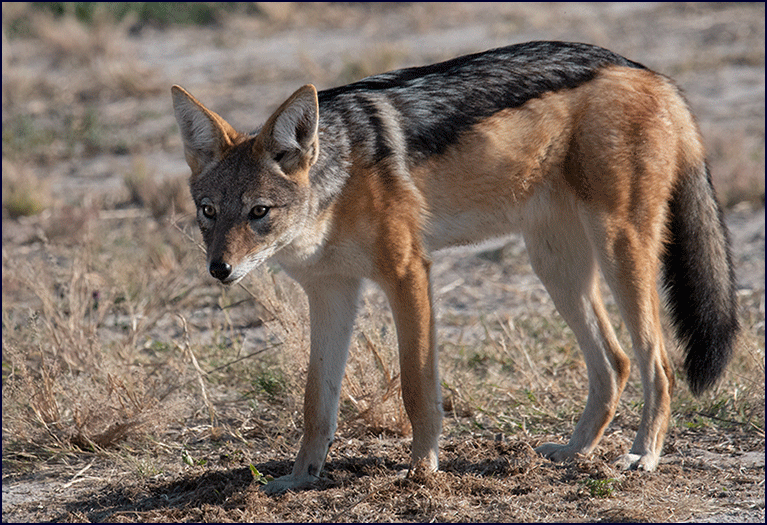
Several hyenas skulked around the edges of the meadow, clearly contemplating whether they might steal the kill. A jackal stood off to the side, hoping for a morsel but with no real chance. Before long more hyenas arrived - soon there were over twenty of them. They would probably wait for more to gather and then try to drive the lions off the carcass, Gee told us. We didn’t linger, though; since this was a known kill, we left before other vehicles showed up. We took a last look at the lions, the hyenas, and the hopeful little jackal, and eased our way back toward the main track.
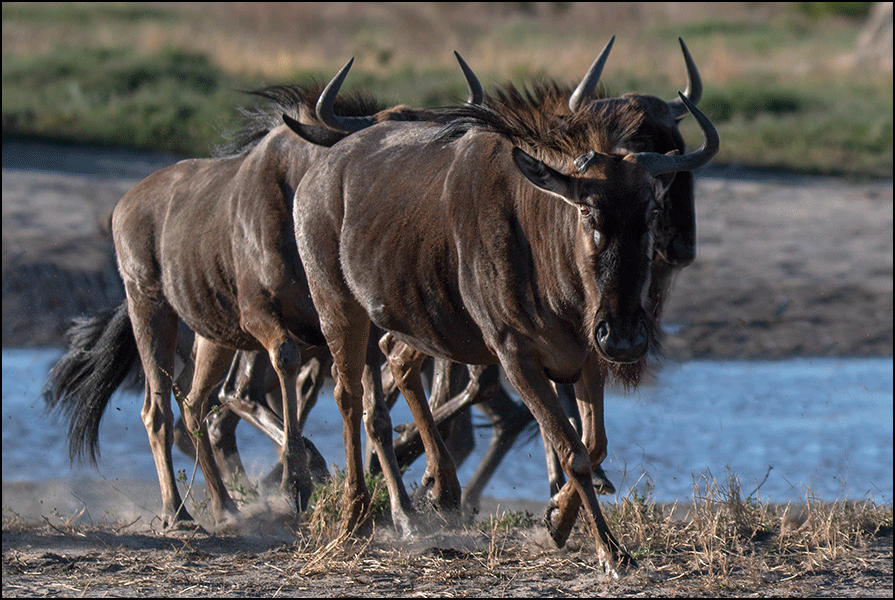
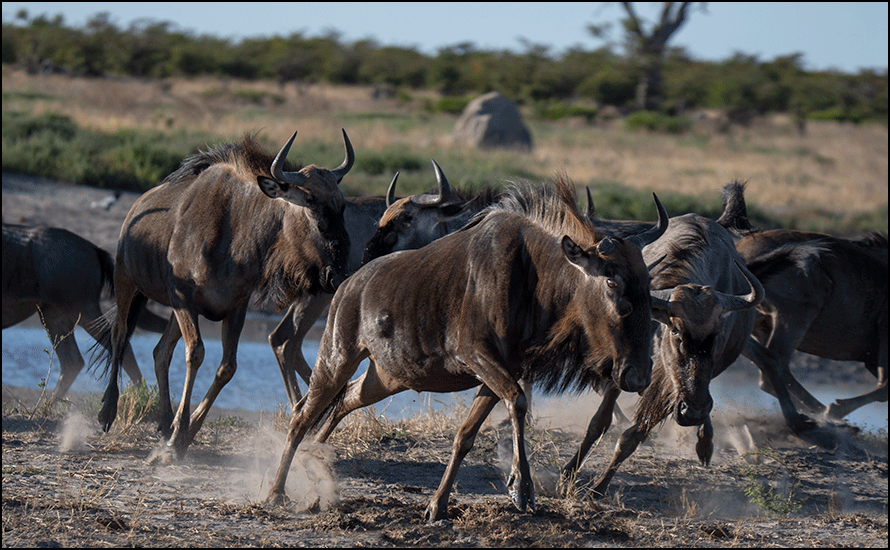
A herd of wildebeest arrived at Marabou Pan just as we got there. They came filing in, some heading straight to the water to drink while others immediately began running back and forth. The male was chasing the females around - absolute chaos. Within moments the whole herd was galloping in wide circles, apparently just for the sheer fun of it. They thundered past the waterhole, kicking up clouds of dust, the slanted sunlight catching their coats in flashes of light and shadow.
The morning was already feeling full, though Savuti clearly had more in store for us. Gee got a radio report of African wild dogs, so we headed straight out onto the plain. Several other vehicles were already there. We scanned the grass, waiting for the dogs to come into sight. For a long moment nothing moved.
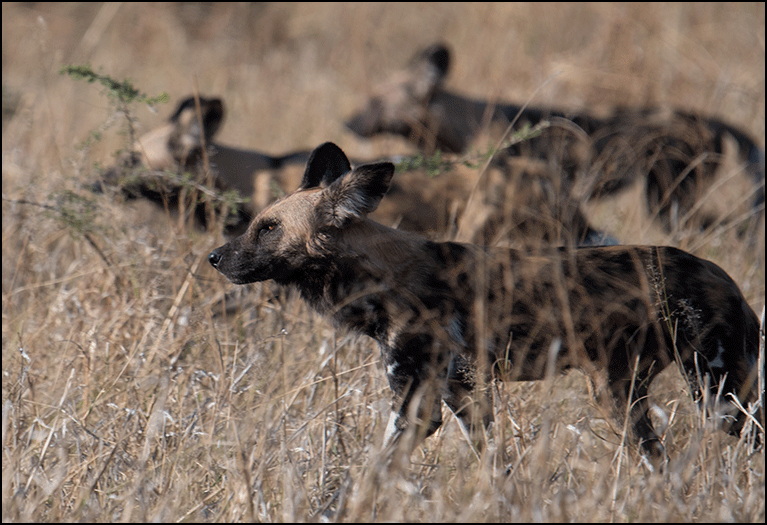
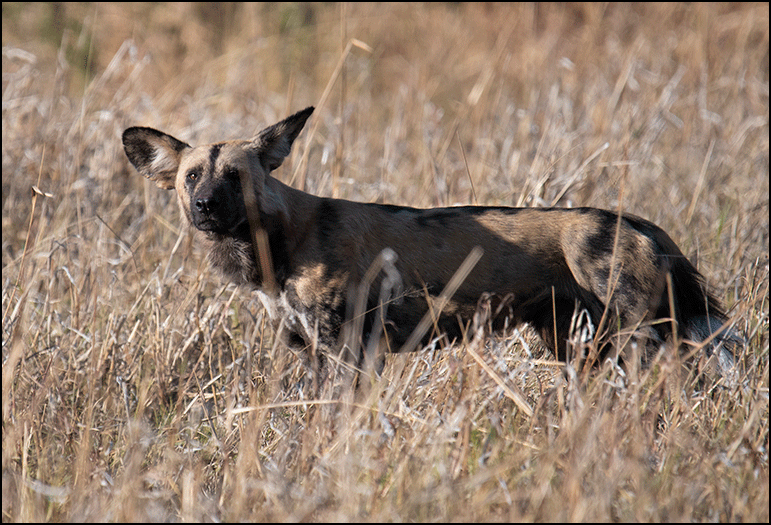
Then there was a flicker of motion, and the lead dog slipped out of the underbrush as silently as a shadow, followed by two more. He stood like a statue in the grass, head high, sniffing, listening, every sense tuned to the hunt. He turned and looked our way - sharp, curious eyes taking us in - then eased forward and vanished into the grass again, the others flowing behind him.
More dogs appeared - soon there were six of them. As we drove forward to keep up, they paused at the edge of the plain, and stood poised, half‑hidden in the tall grass, perfectly still.
Their long legs and lean bodies are built for speed and endurance. Their mottled coats - irregular patches of black, tan, and white - blend surprisingly well with the dry savanna, allowing them to move in and out of the shadows unseen. Dark muzzles, strong jaws, and large rounded ears held high, swiveling independently to catch every sound. The pack leader’s ears stuck out to the side more than the others – remind me of Yoda, he did.
There was a sense of quiet purpose about the dogs. For a few moments they all stood gazing across the open plain, motionless, ready. Then the lead dog trotted forward and the rest flowed after him, disappearing into the grass as silently as they had come.
We followed the dogs as best we could as they trotted across the plain, catching brief glimpses of them as they slipped in and out of the underbrush. They must have been tracking something; their pace quickened, their bodies low and purposeful. Soon they were moving too fast for us to keep up, but it was thrilling to ride along with them for even a few minutes, swept up in the beginning of their hunt.
Wild dogs are some of the most efficient hunters on earth. Once they go after their prey, they are relentless, chasing them for miles if necessary. The dogs are fast and have incredible endurance, so they will run their quarry until it is exhausted. About 75% of their hunts are successful - a much higher kill rate than most other predators.
Gee guessed they might head to the waterhole for a drink. We hurried there, hoping to get ahead of them, but the dogs had not gone that way. Instead, the pan was alive with birds.
A huge flock of red‑billed queleas filled the bushes, a busy cluster of tiny, sparrow‑like weavers with neat red bills. They were everywhere – quick, restless little birds, flitting, darting, and chattering. All of them talking at once created an astonishing din, a high‑pitched, buzzing chorus that seemed to vibrate in the air.
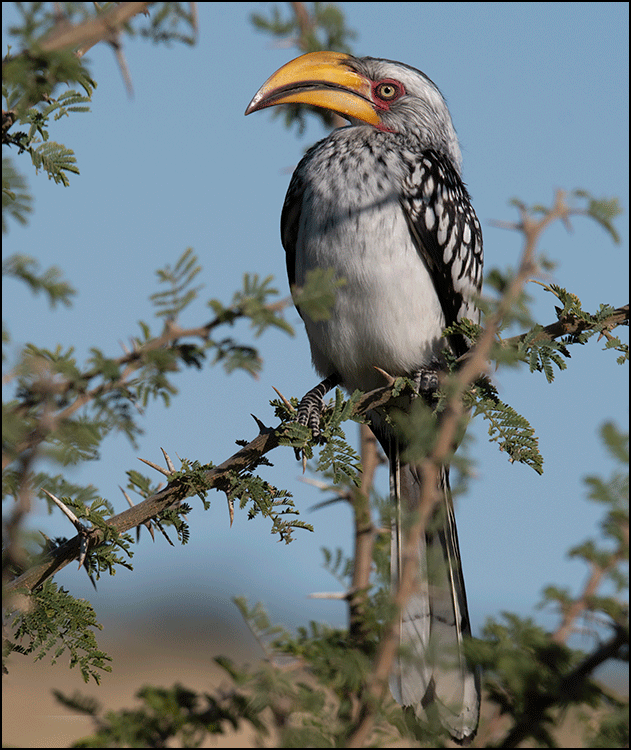
A pair of Yellow-billed Hornbills perched on a thorn bush nearby. These charismatic birds are infinitely more photogenic than their red‑billed cousins. Heavier‑bodied, with
grey-and-white feathers edged in black, pale greenish‑yellow eyes, and those huge curved yellow bills. They regarded us with a gleam in their eye that seemed almost conspiratorial.
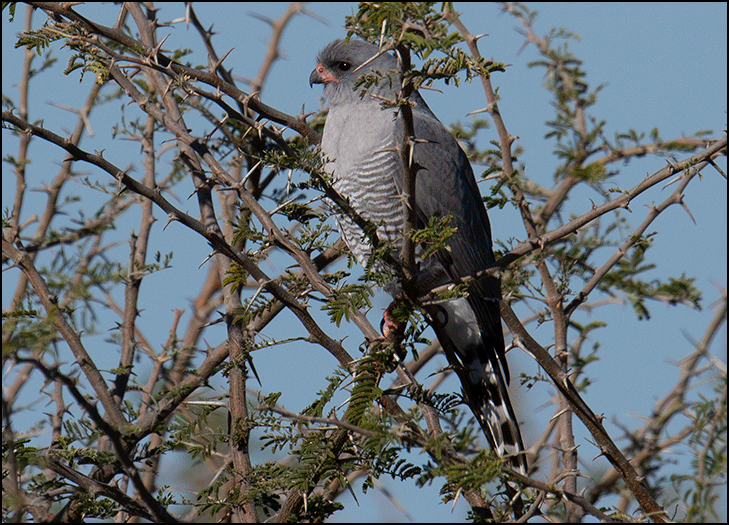
A male Namaqua dove watched from a branch - similar to a Cape turtle dove but smaller, with a longer tail. His black facial patch and throat made him look quite dapper. In another thorn bush sat a Gabar goshawk, a small forest hawk in crisp slate grey, with a finely striped breast, barred tail, and a bright orange beak tipped in black.
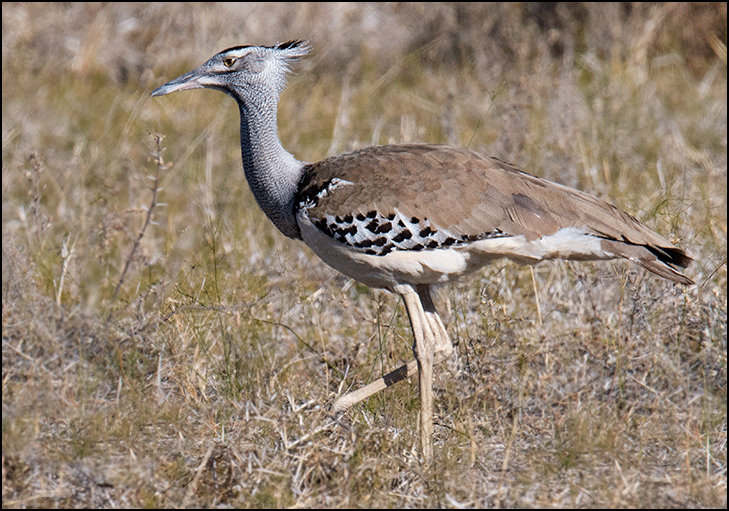
Before long we encountered a flock of about fifteen kori bustards. They are among the heaviest flying birds in the world, weighing up to forty pounds, and the males stand nearly four feet tall. I’m always surprised by their size; they’re so well‑proportioned that you don’t realize just how big they are until you’re close. With long legs built for walking, they move with a slow, deliberate stride, their plumage beautifully patterned in subtle tones of mottled grey, brown, and cream that blend perfectly with the savanna. Up close you can see the pale crest they raise when alert and their bright yellow eyes.
Kori bustards spend most of their time on the ground, foraging for insects, small reptiles, seeds - they’ll eat just about anything they can find. When they do take flight, it’s heavy and labored. They have a calm, almost solemn presence, and when one strides across the open plain with his head high and chest out, he seems both self‑important and completely unaware of how magnificent he looks.
Around 10:15 we stopped for tea at the Hippo Rock waterhole. We named it that for a large flat ‘rock’ in the water that once on a previous trip Gee had insisted was a hippo’s back. That couldn’t be right, we had thought - Savuti’s hippos had left when the Channel dried up. The rock certainly had looked like a hippo, but it never moved, and after twenty minutes we had been sure Gee was teasing us. Then, just as we had started to drive away, a pair of nostrils had risen from the water. Dang, it really was a hippo. Or was it? To this day I’m still not entirely sure.
|
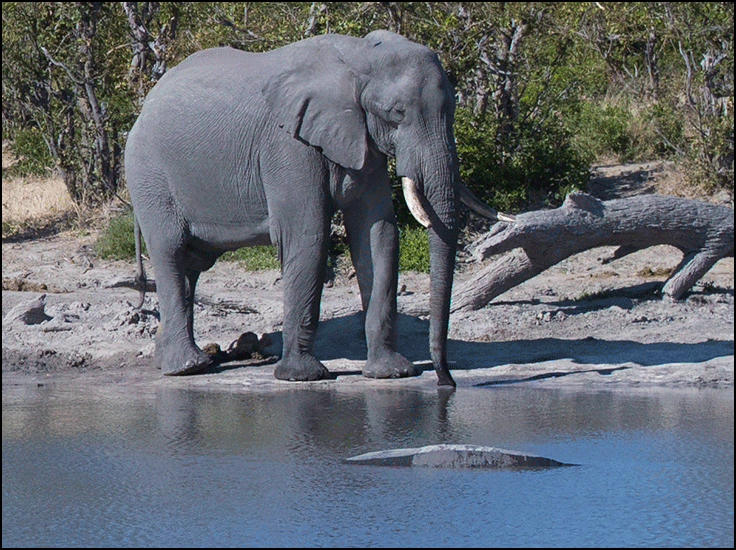
Photo from our 2017 trip: Is it a rock? Or is it a hippo?
Only the elephant knows for sure.
|
A sudden wind swept across the pan, sending little waves skittering over the surface. Two avocets waded in the shallows—tall white birds with black trim, blue legs, and ridiculously long, upturned bills. They’re fairly rare here; this was only the second time Gee had seen them. After a while they lifted off and circled above the waterhole in wide, graceful loops.
As usual during tea break, anyone who needed to would slip behind a bush. Jineen returned complaining that the high wind made this business rather challenging, and that she had trouble keeping everything under control in the strong gusts.
As we drove on, Lindey immortalized the moment with a truly dreadful limerick:
A terrible fate has Jineen
She never knows which way to lean
She always begins
To pee into the wind
And it winds up all over her jeans
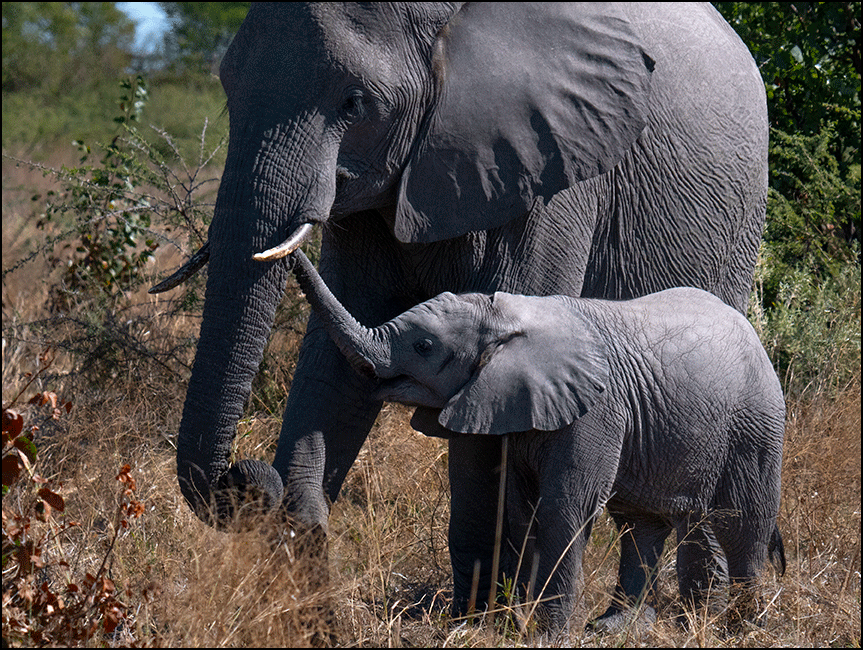
A breeding herd of elephants was feeding not far from the road - close to a dozen of them, with four babies, a couple of them very small. We sat watching them: adults eating, babies nursing, little ones nuzzling their mothers. Elephants have a spiritual energy about them. They seem wise, and by many accounts telepathic. We could almost feel the calm, ancient wisdom radiating from the herd. They appear gentle, but that gentleness can be deceiving; if threatened, they can become aggressive in an instant, and are among the most dangerous animals in Africa.
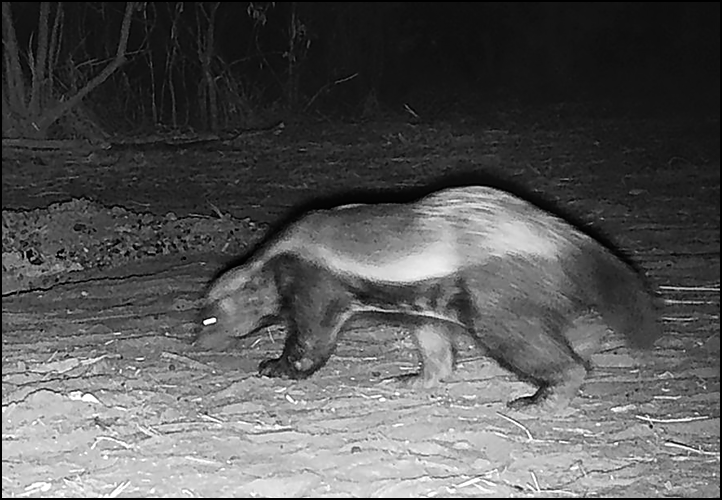
We rolled back into camp a little before one, enthusiastically replaying the morning’s small wonders in our minds. Wild dogs slipping through the grass, birds filling the air with sound and color, elephants radiating their quiet wisdom, and even a bit of bathroom‑break comedy to keep us humble. The usual cold drinks and moist towels waited for us, and the final delight of the morning was the
trail-cam surprise: photos of the honey badger, caught in the night, as he went confidently about his business. A perfect
cap-off to a great morning, and a reminder of why we keep coming back.
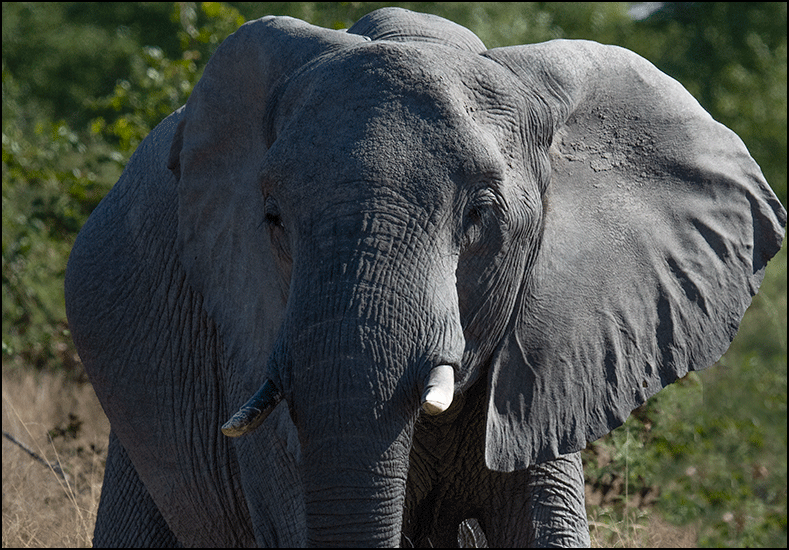
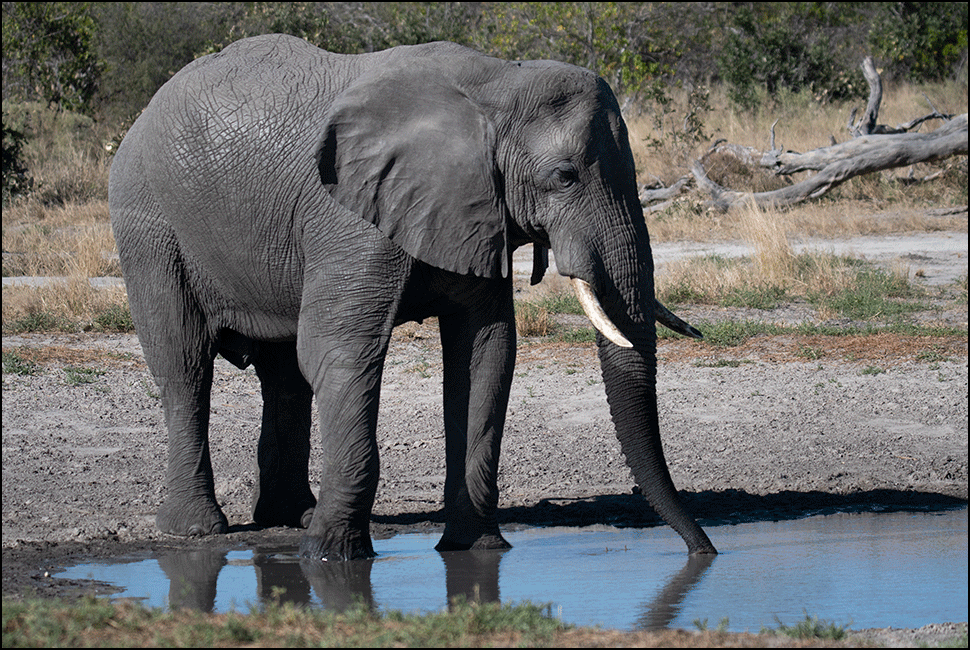
It was a bit after three when we headed back out, after making a quick stop at the Savuti gate to poke around the little gift shop. The afternoon light was softening as we headed deeper into the bush. Almost right away, we came upon a large bull elephant standing in a small waterhole. We watched him drink, lifting great trunkfulls of water and pouring them into his mouth with practiced ease. The afternoon light caught the stray water droplets that spilled from his trunk.
We went back to the road where we had seen the leopard earlier, but only a lone steenbok stood waiting for us, delicate and alert. Then Gee got a radio report of another leopard sighting, and off we went to try our luck.
But the sand had other plans. We sank into a deep patch, one wheel buried in the dry sand. Gee jacked up the Land Cruiser while we climbed out to gather branches to wedge under the tire - a task we approached with the confidence of people who had done this before. Getting stuck is practically a safari rite of passage, and most of us had the stories to prove it. But then the jack jammed, so we had to start from scratch again.
As we were wrestling with the situation, a big bull elephant wandered by, very close. Gee quietly told us to “be one with the vehicle,” which in our group is shorthand for “get back in the Land Cruiser before that elephant decides to stomp you.” He looked serene enough, but elephants are unpredictable; most of the time they’ll ignore you if you were there first, but every so often a bull is in musth (a mating hormone surge that makes the males very aggressive), or is simply in a bad mood. Then the equation can change very quickly.
After the elephant passed by, we kept working on getting the vehicle unstuck, but meanwhile Gee radioed for assistance. Eventually a Letaka Safaris vehicle arrived and pulled us free, though he nearly got himself stuck in the process. Gee let some air out of the tires to better negotiate the deep sand, and we were on our way again.
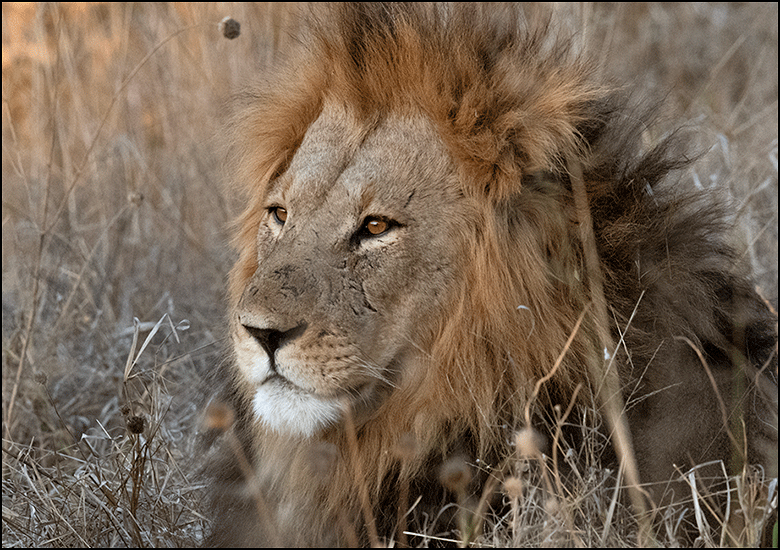
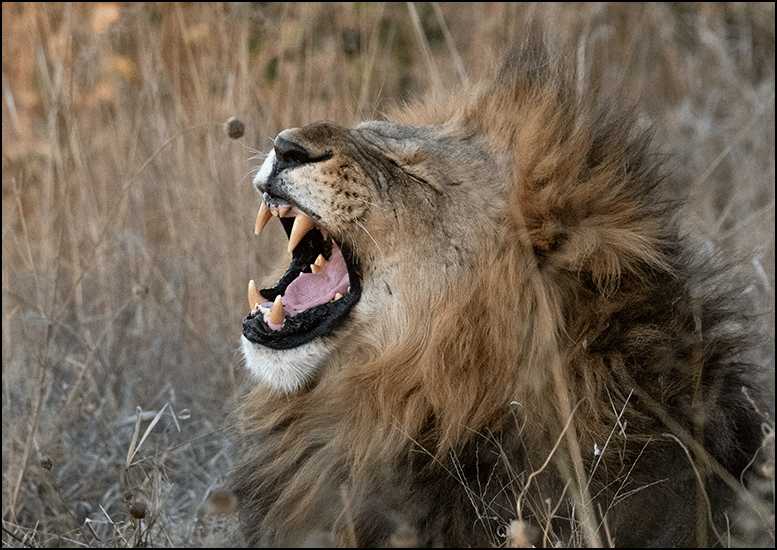
We continued up the Savuti Channel to a wide, open stretch in the ancient riverbed. Two male lions - the same pair we’d seen the day before - were sleeping on their sides. As we approached, one of them sat up. The
late-afternoon sun bathed him in an orangey light, turning his mane to a deep, burnished gold. He lifted his head, and the warm light caught the gold in his eyes. He fixed us with a steady amber gaze that felt both curious and regal.
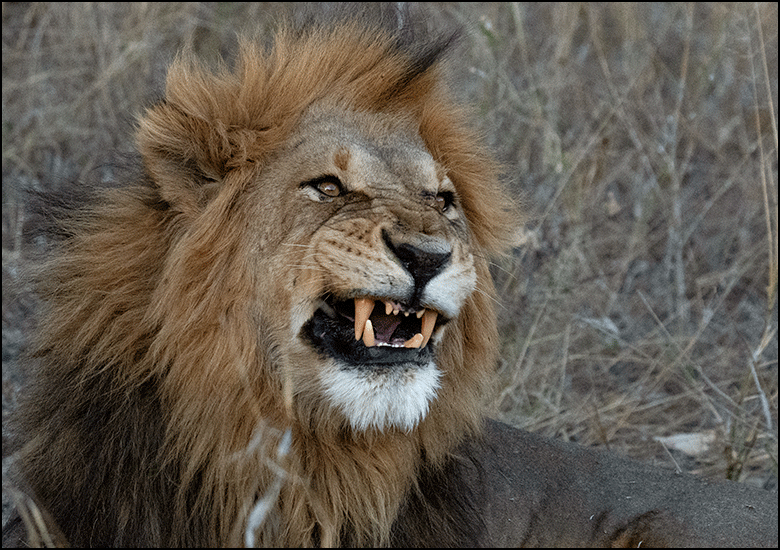
Suddenly he grimaced, and curled his mouth into an angry snarl. His lips pulled back, revealing heavy canines like ivory chisels, jaggedly sharp and formidable. For a heartbeat I wondered if he might roar - or worse, attack. But then his jaws opened even wider, his pink tongue curled, and he stretched into an enormous, lingering yawn.
In that moment we realized it wasn’t aggression at all, just pure lion laziness - the confident yawn of a creature who knows he has nothing to fear. He licked his lips, then yawned again, another long, luxurious stretch that showed off every inch of those ivory teeth. When he finally closed his mouth, he gave us a slow blink, seemingly amused by our reaction, and settled down to the important business of licking his paws and privates. The King of the Plain, entirely at ease.
A moment later the second male sat up and treated us to a similar display - not a threat, but just the casual indifference of a lion who has nothing to prove.
A tiny kudu calf stood with his mother in the dim evening light, delicate as a shadow. The sunset over Leopard Rock was spectacular - a sky of magenta and fiery orange, with a small crescent moon hanging low in the sky like a smile.
Back in camp we gathered around the bush TV, drinks in hand, trading stories and mysteries over dinner. Amber contributed a limerick for our waiter, More:
Our awesome camp waiter is More
Who greets us at safari jeep door
In the shadows he waits
To clear all our plates
And his drinks knock us on the tent floor
We lingered a while longer after dinner, letting the warmth of the fire unwind the day, enjoying the soft crackle of the burning logs. The day had been full - lions, elephants, wild dogs, deep sand, and a bit of unintended adventure - and the easy laughter around the fire felt like the perfect ending. Before long we drifted off to our tents, grateful for another Savuti day that had given us more than we could have hoped for.
~
Continued
on next page ~
Africa 2025 Journal Pages:
1
2
3
4
5
6
7
8
9
10
11
12
13
14
15
16
|